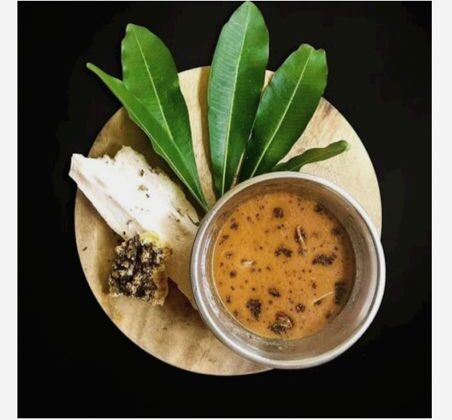
Aati Amavasya, the Monsoon Tradition
A day of health, gratitude, protection, remembrance and spiritual renewal.
Among the most unique and deeply rooted seasonal observances of Kundapura, Aati Amavasya occupies a special place. Falling on the new-moon day of the month of Aati (Ashada), at the peak of the monsoon, it blends traditional medicine, ancestral remembrance, nature worship and spiritual practice. Unlike festivals built around celebration, Aati Amavasya is a day of reflection, purification and well-being, reflecting the wisdom of coastal communities who adapted their lives to the rains and developed rituals that promoted both physical health and spiritual renewal.
The month of Aati
Aati is considered one of the most significant months in the traditional calendar of coastal Karnataka. Falling in July and August at the height of the monsoon, it was historically a difficult season, and the people of Kundapura developed customs and practices to maintain health and immunity through it. Many of the month's observances are closely connected with nature and seasonal adaptation.
| The Aati season meant | |
|---|---|
| Heavy rainfall | The peak of the southwest monsoon on the coast. |
| Reduced farm activity | A lull between the labours of the agricultural year. |
| Seasonal illness | Damp, humidity and limited sunlight bringing sickness. |
| Need for immunity | Driving the medicinal and protective customs of the month. |
The meaning of Aati Amavasya
Aati Amavasya refers to the new-moon day (Amavasya) occurring during the month of Aati, regarded as highly sacred and spiritually significant. For many families it is a time to remember ancestors, seek divine blessings, perform protective rituals, consume traditional medicinal preparations and strengthen both physical and spiritual health, a unique blend of religious faith and traditional wellness.
The sacred Aati Kashaya
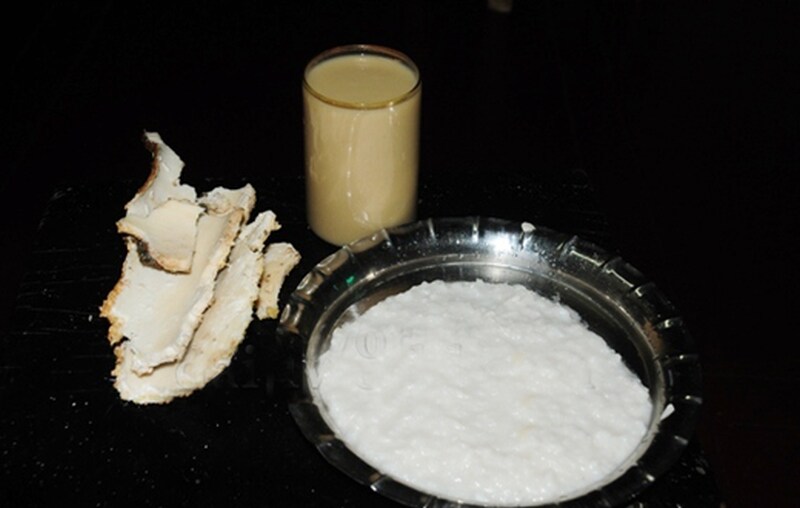
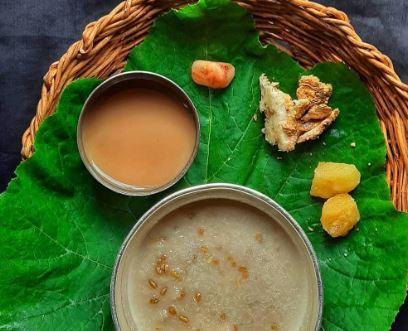
The most famous tradition of the day in Kundapura is the preparation and consumption of Aati Kashaya, a herbal decoction considered one of the most important seasonal medicinal preparations of coastal Karnataka. Prepared according to recipes passed down by oral tradition, it is consumed on the morning of Aati Amavasya as part of the ritual observance, and is believed to improve immunity, aid digestion, protect against seasonal illness and strengthen the body through the monsoon.
Aati bark and traditional medicine
The decoction is made with medicinal plant ingredients gathered from forests and rural landscapes, the most famous being the bark of the Aati tree, identified with medicinal species used in local Ayurveda and folk medicine. The bark is traditionally collected at a specific time, carefully and with ritual care, and processed together with other herbs, a practice that demonstrates the close relationship between Kundapura culture and indigenous medicinal systems.
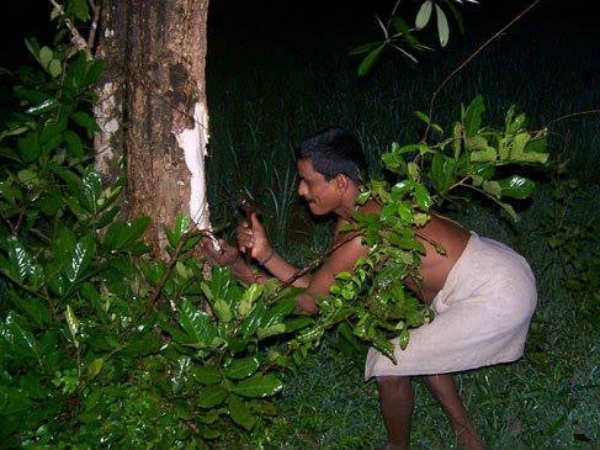 Collecting the medicinal Aati bark
Recipes vary from family to family and village to village, but the preparation generally combines the medicinal bark with warming, digestive spices, boiled down into a concentrated herbal drink.
| Typical ingredients | Role |
|---|---|
| Medicinal bark | The defining ingredient, from the Aati tree and related species. |
| Pepper | A warming spice for the damp season. |
| Cumin | An aid to digestion. |
| Garlic | Valued for its protective, warming qualities. |
| Dry ginger | Warming and digestive, central to monsoon remedies. |
| Medicinal herbs | Additional herbs by family and village custom. |
Traditional belief holds that drinking Aati Kashaya on this day gives protection through the year. Modern scientific perspectives may differ on specific medicinal claims; the practice is described here as a respected wellness tradition of the coast, not as medical advice.
Ancestor remembrance
A major aspect of the day is the remembrance of ancestors. Many families perform rituals to honour deceased relatives, including Tarpana, special prayers and offerings of food, reflecting the belief that ancestral blessings contribute to the well-being and prosperity of future generations. For many households, Aati Amavasya is an important occasion to express gratitude toward those who came before.
Sacred bathing and temple worship
Many devotees begin the day with ritual bathing. Rivers, ponds, temple tanks and wells are regarded as sacred on Aati Amavasya, and the bath is considered an act of purification and spiritual renewal, symbolising the removal of negativity and the start of a healthier, more auspicious phase. Temples across Kundapura see heightened devotional activity, as devotees offer prayers, perform special poojas and combine temple visits with ancestral rituals and the medicinal customs of the day.
The Aati Kalenja tradition
One of the most distinctive customs of the Aati season is Aati Kalenja. Performers in colourful costume visit homes singing blessings and prayers for prosperity and protection; the Kalenja is believed to drive away negative influences and bring good fortune to households. Though the tradition has declined in some places with modernization, it remains an important symbol of the region's cultural heritage, and efforts continue in several villages of Kundapura to preserve this unique folk tradition.
Agriculture, food and the season
The observance is closely linked with the agricultural calendar: the monsoon is crucial to rice cultivation, and farmers traditionally regarded this period as one requiring divine blessing and protection, so the rituals of the day express gratitude to nature and prayers for a successful harvest. The food prepared reflects the same seasonal wisdom, with herbal preparations, rice-based dishes, coconut-based foods and seasonal vegetables chosen for health and digestive balance during the rains.
Few observances unite so much in a single day.
Spirituality, traditional medicine, ancestor worship, seasonal adaptation and community custom all meet in Aati Amavasya, a vivid example of how culture evolved to care for both body and spirit.
A living tradition
Despite rapid modernization, Aati Amavasya continues to be widely observed across Kundapura, and many families who have migrated to cities still prepare Aati Kashaya and keep its customs. The day plays a vital role in preserving traditional knowledge, transmitting to younger generations an understanding of medicinal plants, seasonal health practices, ritual customs and oral traditions. Growing interest in indigenous health practices has only deepened appreciation for this enduring symbol of the coast's accumulated wisdom, a day of health, gratitude, protection, remembrance and renewal that continues to connect generations across time.
See also
References & notes
- Compiled report: "Aati Amavasya, the Sacred Monsoon Tradition of Kundapura."
- Folk medicine, agrarian and ritual traditions of coastal Karnataka and Tulu Nadu.
Photographs were contributed by residents documenting the observance, and are used for educational and cultural reference, not for commercial purposes. Information on traditional medicine is cultural, not medical advice.